
What Is a “Third Place” — And Why Does It Matter?
In nineteen eighty-nine, urban sociologist Ray Oldenburg introduced the concept of the third place. He described it as a social environment that exists outside of home (the first place) and work (the second place). These spaces allow people to gather informally, build relationships, and develop a sense of community through everyday interaction.
Third places are not built around obligation. People visit them voluntarily. Conversation happens naturally. Over time, regulars begin recognizing each other and informal social networks develop.
For most of modern history, these environments quietly supported community life. They provided places where neighbors could interact, friendships could form gradually, and people could feel connected to the communities where they lived.
Examples of Third Places
Third places can take many forms, but they usually share a few characteristics: they are accessible, relatively affordable, and allow people to stay and interact without strict expectations.
- Cafés and coffee shops
- Neighborhood bars and local pubs
- Libraries and bookstores
- Parks and public squares
- Barber shops and hair salons
- Community centers and recreation centers
- Places of worship
- Farmers markets
- Gyms or hobby-based clubs
Historically, nearly every society developed its own version of these spaces. In ancient Greece, the agora served as a public meeting place where people gathered to exchange ideas and participate in civic life. In modern cities, cafés, parks, and neighborhood establishments often play a similar role.
The Quiet Disappearance of Third Places
Over the past several decades, many of these spaces have become less common or less accessible. Rising commercial rents, suburban development patterns, digital entertainment, and longer work schedules have all changed how people spend time outside the home.
National surveys and urban research increasingly suggest that fewer Americans regularly spend time in informal community environments. Some studies estimate that more than one in five Americans now live in communities with little meaningful access to common gathering spaces.
Even where these places still exist, participation appears to be declining. Researchers studying social interaction trends have documented significant drops in the number of people who regularly spend time in cafés, community spaces, or other informal gathering environments.
How the Loss of Third Places Affects Social Life
Sociologists often describe the effects of this shift as a reduction in social capital — the informal networks of trust and connection that help communities function.
Over the past several decades, researchers have documented several related patterns:
- The number of Americans reporting very few close friendships has increased.
- Average social interaction outside work and family has declined.
- Many adults report feeling socially disconnected despite living in densely populated areas.
When informal gathering places disappear, everyday interactions become harder to replace. Casual conversations, recurring acquaintances, and spontaneous encounters are often the foundation from which deeper friendships eventually grow.
Without those environments, social life becomes more fragmented, with home and work absorbing most of a person’s daily routine.
Why This Site Exists
This site explores the quiet disappearance of places where people used to belong outside of home and work.
Through first-person essays and lived observation, it explores what it feels like to search for connection in modern life and keep coming up empty —
This isn’t a self-help site or a set of instructions.
It’s a place for recognizing a shared experience that often goes unnamed.
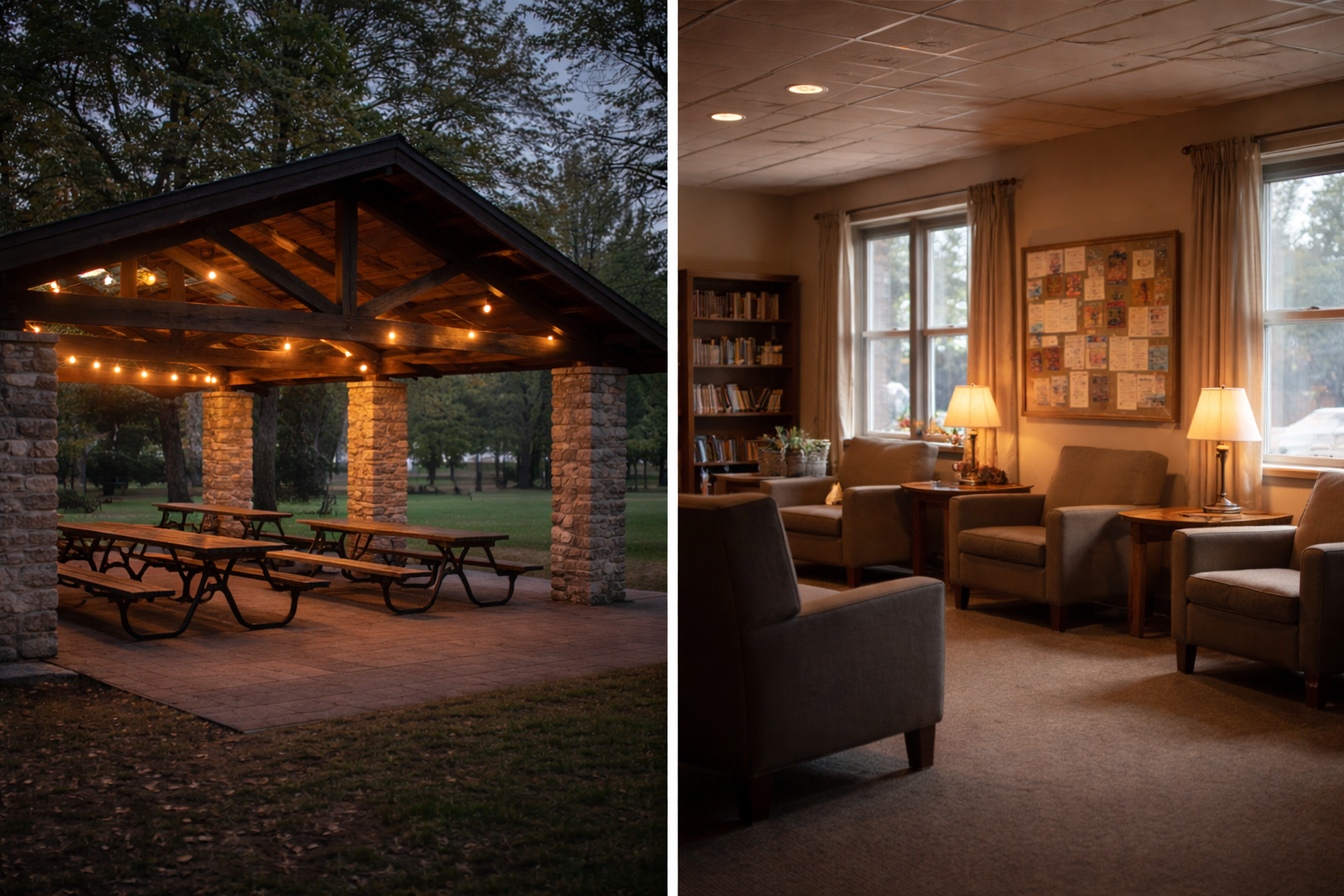
Recent Essays
Third Places in Baltimore
Third Places in Baltimore: Waterfront History, Rowhouse Blocks, and the Social Geography of Neighborhood Life Quick Summary Baltimore’s third places are shaped by an unusual
Third Places in Washington DC
Third Places in Washington DC: Power, Public Space, and the Social Geography of Civic Life Quick Summary Washington DC’s third places are shaped by an
Third Places in Philadelphia
Third Places in Philadelphia: Rowhouse Neighborhoods, Corner Culture, and the Social Infrastructure of Everyday Life Quick Summary Philadelphia’s rowhouse neighborhoods and corner-business pattern make third
Third Places in Boston
Third Places in Boston: Universities, Historic Squares, and the Social Infrastructure of Everyday Connection Quick Summary Boston’s third places are shaped by a rare combination
Third Places in New York City: Density, Neighborhoods, and the Social Infrastructure of Connection
Third Places in New York City: Density, Transit, and the Social Infrastructure of Everyday Interaction Quick Summary New York City’s density, mixed-use streets, and transit
Letting Go Without Rewriting the Past: Acceptance and Closure After Friendship Ends
Adult Friendship Series Letting Go Without Rewriting the Past: Acceptance and Closure After Friendship Ends A grounded exploration of how to accept the end of
